
- SIT Chaplain Vo and German, with CPE trainees Nathan, Michael, and Joel. Self-care at Kuya J’s Restaurant.

- SIT Chaplain JM with his trainees Daniel, Rebecca, Honeylyn, Joy, and Les. Doing Community ministry in Antipolo

- Celia and Connie doing training and counseling ministry with women inmates at La Trinidad District Jail.

- SIT Doc Paul with his CPE trainees Ruel, Crystal, Paul, and Vengie. With Bob and Celia. Being hosted by Father Ivo at the St. Camellus Novitiate for dinner.

- Celebrate Recovery training. Training being used for Drug Surrenderer program at Mines View and Lualhati. Training held at GCF-Metro Baguio.

Category Archives: Uncategorized
Your Life Story: A Pastoral Care Perspective
Summer Countdown
Here in the Philippines, Summer starts in March and ends in May. We have had a busy summer with work now going on at two hospitals, two jails, and two drug surrenderer ministry sites. But here is a countdown of some stats.:


Six: JM’s CPE Group has six trainees.
Five: Vo’s CPE Group has five trainees
Four: Doc Paul’s CPE Group has four trainees
Three: Chaplain Phan’s CPO Group has three trainees
Two: Our SIT program has two Supervisor’s in Training (Vo and JM)
One: We have one more, Edgar, who is about to enter the SIT program
We expect CPO (Clinical Pastoral Orientation) to start June 19, meeting on Monday afternoons for approximately 15 weeks. Contact us if you have any questions.
Dayot and Dickens Seminar in Pastoral Care
April 24-25, 2017, we had the 2nd annual Dayot and Dickens Seminar. This year, the teme was on Pastoral Care, and we had Dr. Doug Dickens speak of the use of the Beatitudes as a framework for pastoral diagnosis. In this sense, the diagnosis is not for pathology, but for wellness. We had over 220 guests. We at Bukal were thrilled to serve, along with Philippine Baptist Theological Seminary, as hosts for this event. We met many old friends and colleagues, as well as many new.


Busy Week of Pastoral Care Training Coming
The week of April 23rd is very very busy from a Pastoral Care Training Standpoint.
- April 23rd. Our friends at AACPE (Asian Association of Clinical Pastoral Education) are having their Annual convention in Manila. Interesting topics, especially in terms of Drug Addiction and Recovery. (The first image is their advertisement.)
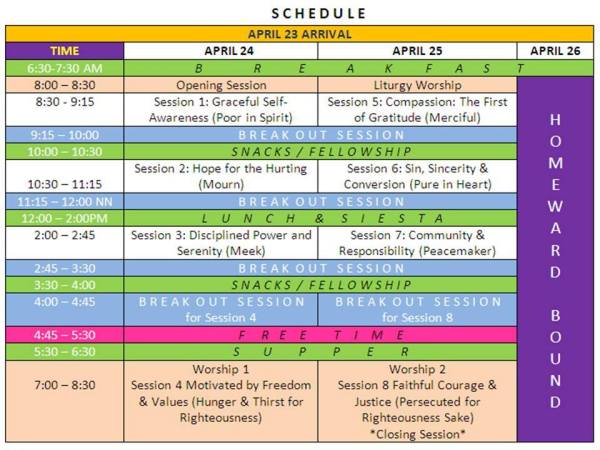
- April 24-25. We at Bukal Life are working with PBTS and CPSP-Philippines. PBTS’s annual seminar, the Dayot and Dickens (“DAD”) conference will this time feature, Dr. Doug Dickens, Diplomate of CPSP. The focus is on Pastoral Diagnosis. (The 2nd and 3rd images provide details and schedule.)
- April 26-29. APTS in Baguio is hosting the Saline Process training, as well as Training of Trainers. While this does not fit completely under the umbrella of Pastoral Care, it does provide some tools that are used by pastoral care providers in hospital situations. (The 4th image provides details.)



New Presentation. “Your Life Story”
Looks at one’s life through the metaphor of story “threads” that are woven together. It draws considerably from Narrative counseling, but can be valuable in the context of Pastoral Care & Counseling.
Reasons to Feel GOOD about taking CPE
7 Rules of Pastoral Conversation
Theologian Max Warren (1904-1977) came up with 7 Rules for Interreligious Dialogue (IRD). Each of these are quite valuable. But each of them seem also to provide the basis for an equivalent rule for Pastoral Conversation. So we will list each rule both for IRD and for Pastoral Conversation (PC).
Rule #1: Acceptance of our Common Humanity
IRD. Dialogue is not between two ideologies or religions, but between two people… created in the image of God.
PC. The client is not a label or a category of person. The client is a human being created in God’s image… fearfully and wonderfully made.
Rule #2: Divine Omnipresence
IRD. Entering into a dialogue, one is not entering alone. God is there, and has prepared the situation long before one arrived.
PC. Expect that God is present in every pastoral conversation and before every conversation.
Rule #3: Accepting the best in the other
IRD. Don’t focus on what is bad about other religions… also freely acknowledge their good points. Be open to admit failings in one’s own faith as well.
PC. Enter the conversation non-judgmentally. The client is not defined by his or her weaknesses and failures. Acknowledge you have weaknesses as well… as a ‘wounded healer.’
Rule #4: Identification
IRD. Attempt to understand them as if you were one of them. Think incarnationally. Imaginatively “walk in their shoes” to understand what they believe, why they believe it, and why it makes sense to them.
PC. Try to understand the client’s situation through the eyes of the client. Seek, as much as possible, to understand what he/she is going through.
Rule #5: Courtesy
IRD. Dialogue with identifiable respect– identifiable by the other in ones words, demeanor, and actions.
PC. Respect your client, and demonstrate that respect in word and deed.
Rule #6: Interpretation
IRD. Sharing one’s faith to another is not one of proclamation or didactics. Rather it is one of interpretation… contextualization… translation. Attempting to make one’s faith understandable within the symbol structure of the other, NOT one’s own structure.
PC. Demonstrate God’s love and message for the client in a manner that the client can identify with and respond to. This means focusing on how he/she thinks and feels rather than how you think and feel.
Rule #7. Expectation
IRD. God is at work in the dialogue, and one should be expectant that this work will ultimately bear fruit in one way or another… in the other AND in oneself.
PC. God ultimately is the great healer. As such, recognize that God is the one who is at work and will continue to work long after the conversation is over.
While it is certain that these are not all the rules associated with pastoral conversation (for example, a good 8th rule is that one should listen more and talk less), these 7 still are a good starting place —both in interreligious dialogue, and pastoral conversation.
Pastoral Care Conference Schedule


Drug Surrenderer Program
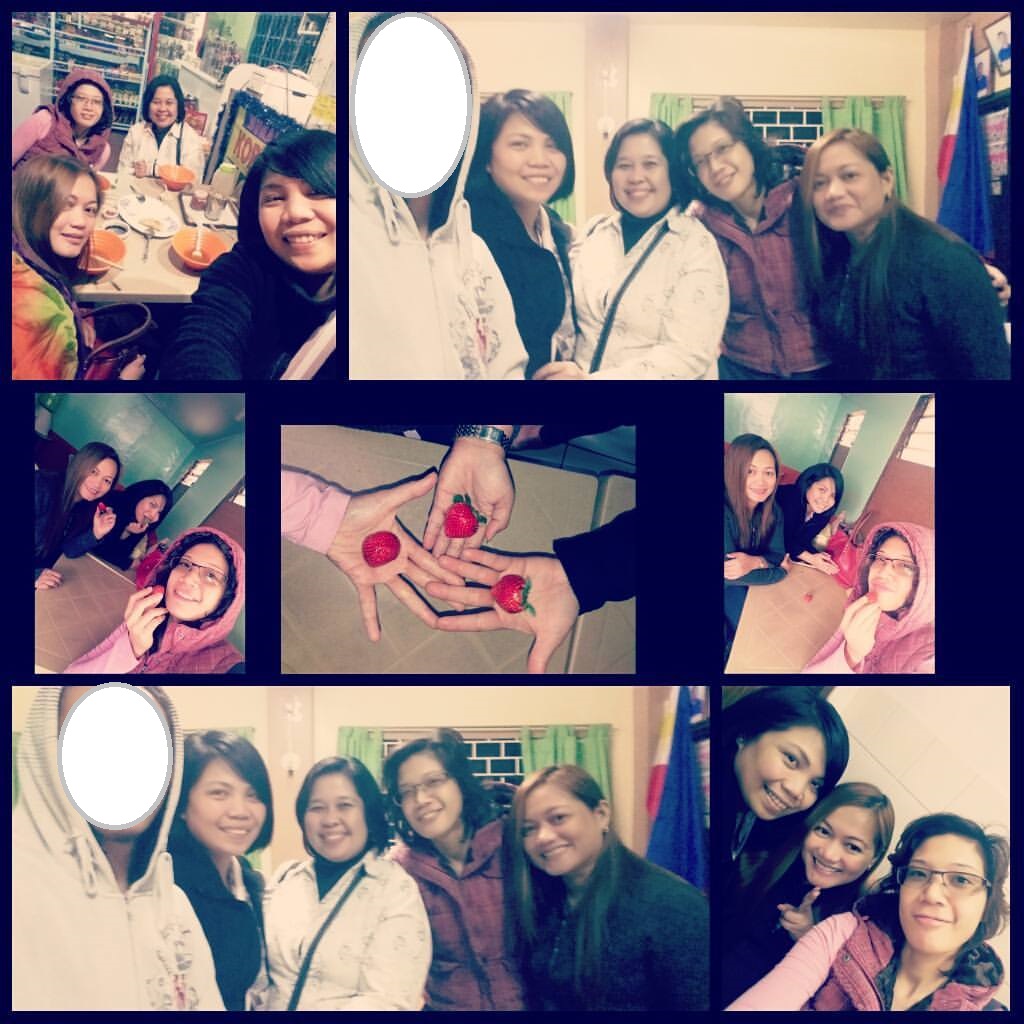
Above is a collage of photos of our Drug Surrender Care Team from Bukal. The above team is our Sunday team of Celia, Les, Huey, and Rica. The person with the blocked out face is one of the those seeking treatment. We don’t really show faces of counselees (without express written consent).
We also have another team the ministers on Tuesdays at another location. This program is still new, and we are still working out some issues… especially coordination between our group, barangay officials, city social welfare, and the those seeking counseling. But we are already getting some good (although early) feedback.
We are using the “Celebrate Recovery” materials as the primary guide, with some additional guidance from Colombo Plan UTS.

