
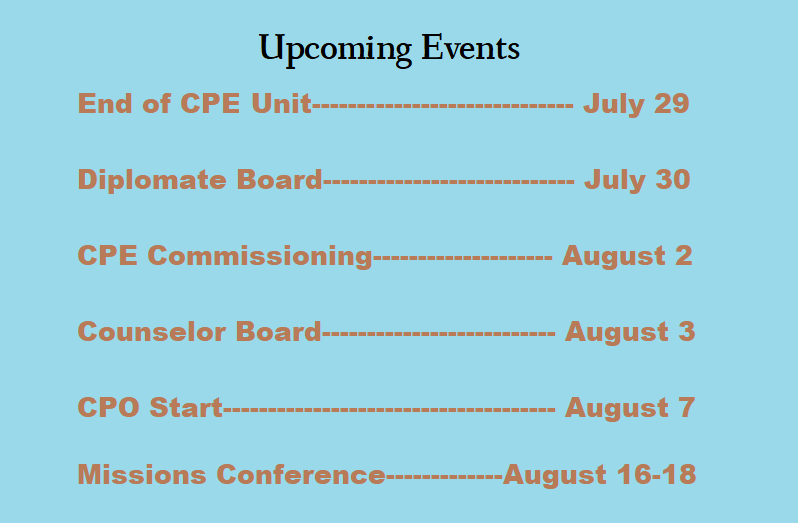
Late July Schedule Updates
We spend a great deal of time and energy training up Pastoral Counselors and Clinical Chaplains via CPE (Clinical Pastoral Education) and CPO (Clinical Pastoral Orientation). Sometimes it dominates our activities that we fail to note that we do other things as well.
One of those is Missionary Member Care. We focus on counseling for those involved with missionary work. Occasionally, we work with missionaries who are from other countries serving in the Philippines. Far more commonly, we work with Filipino missionaries serving in other countries— in short-term, medium-term, or long-term work.
The group we work most commonly with (although not the only one) is OSB (One Sending Body). Some of us will be attending their annual missions conference in Koronodal City this August (2022). This will be the first time in several years that a representative from our group was able to attend the annual gathering.
Additionally, we have been investing a fair bit of time in training missionaries to be competent in pastoral counseling. In some cases, they intend to us that as part of their ministry in their target population. However, some are intentionally being trained in hopes of providing member care services for fellow missionaries.
Missionary member care has not been taken all that seriously in Southeast Asia. Back 8 or 9 years ago, our group led a training in basic missionary member care principles. Our host, while introducing us, noted that what we were going to be teaching was “controversial.” This was not because of host disagreed with our topic. Rather, it was because our host knew that some of the hearers would be tempted to react negatively. I had been to trainings where problems in the lives of missionaries was seen as a moral failing or on some level “being weak.” Could that be the problem? Of course, but when one assumes that is always the answer, problems will never get solved.
Looking forward to finding new opportunities to support more missionaries in Asia.
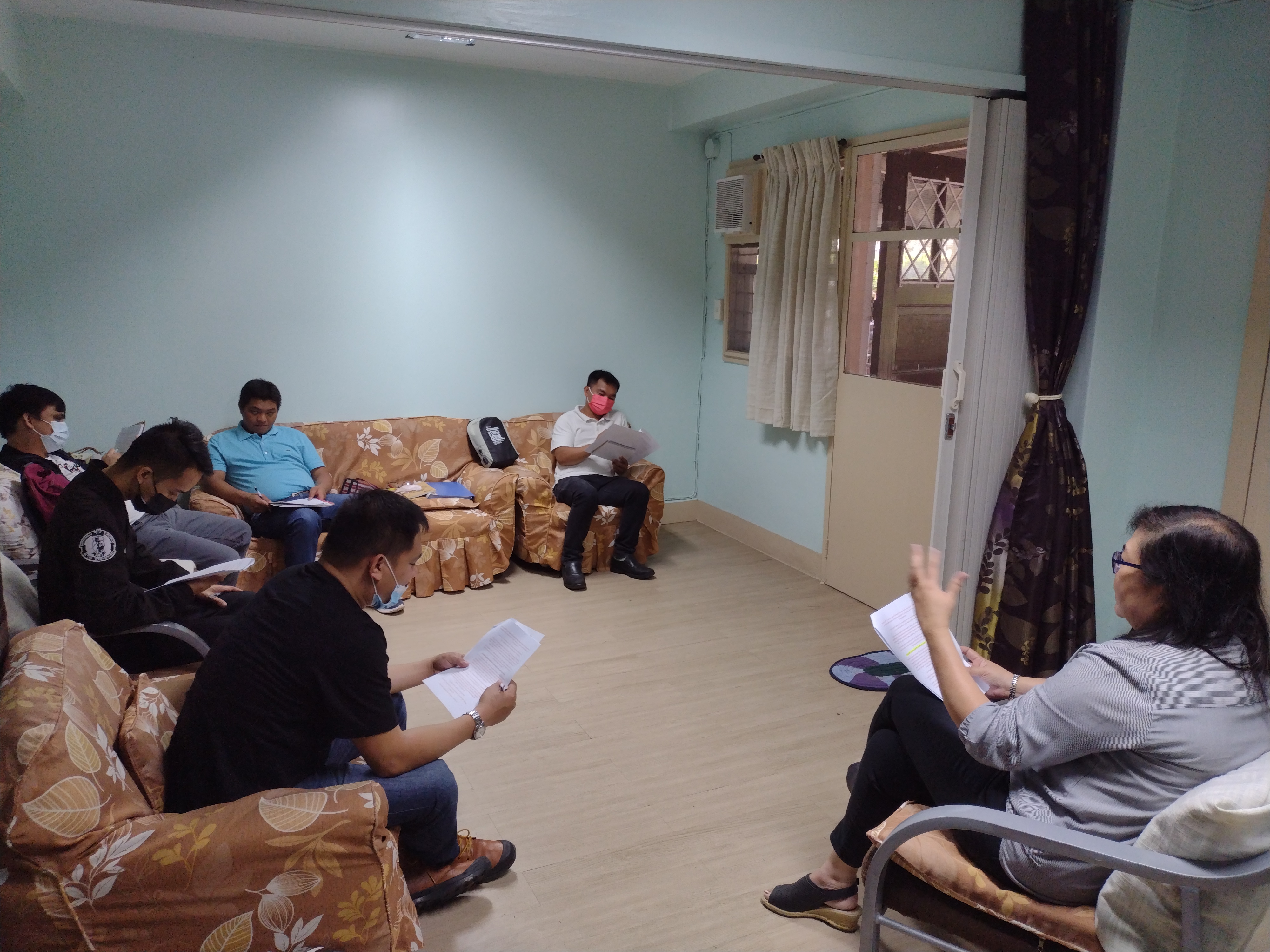
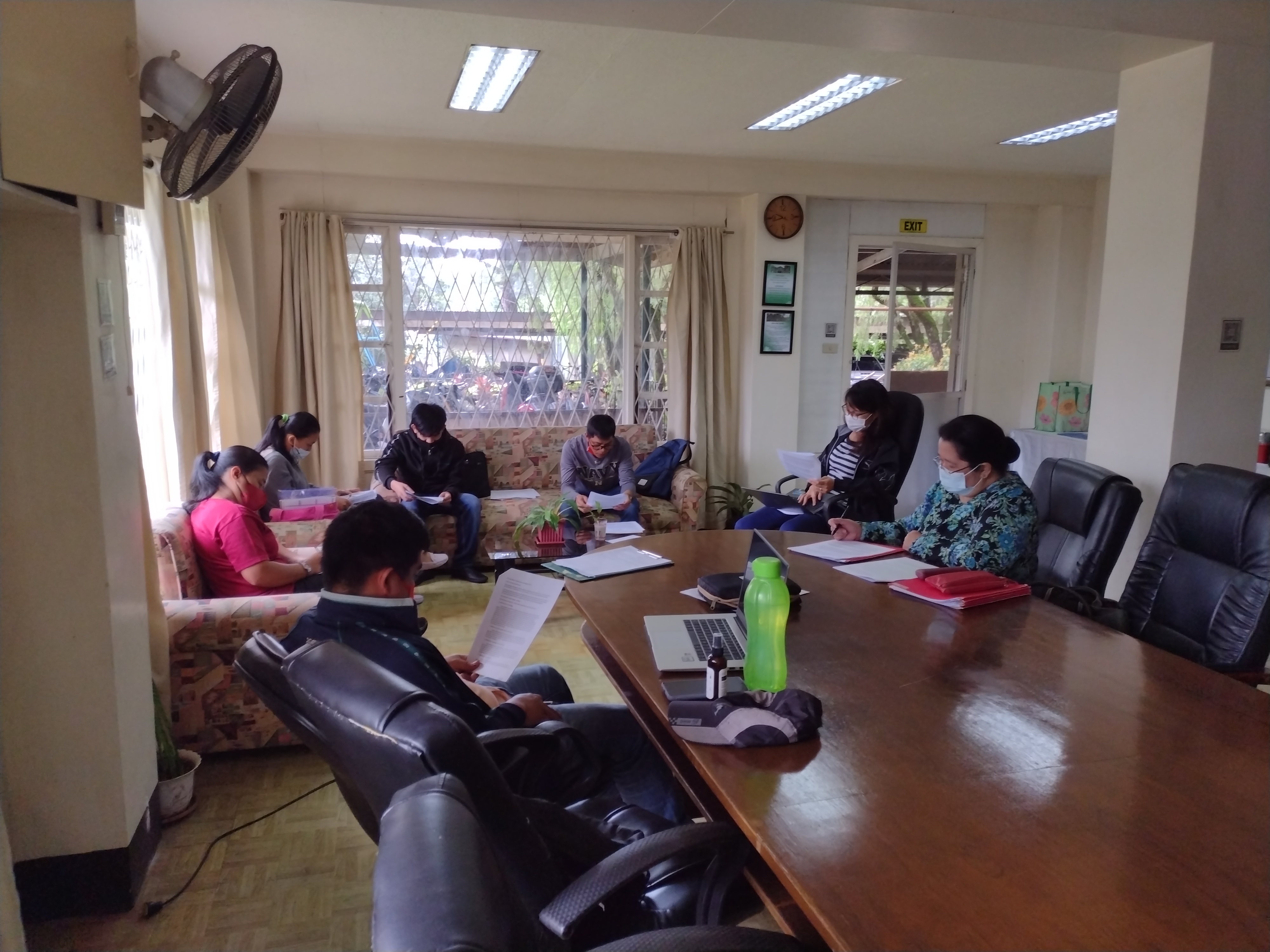
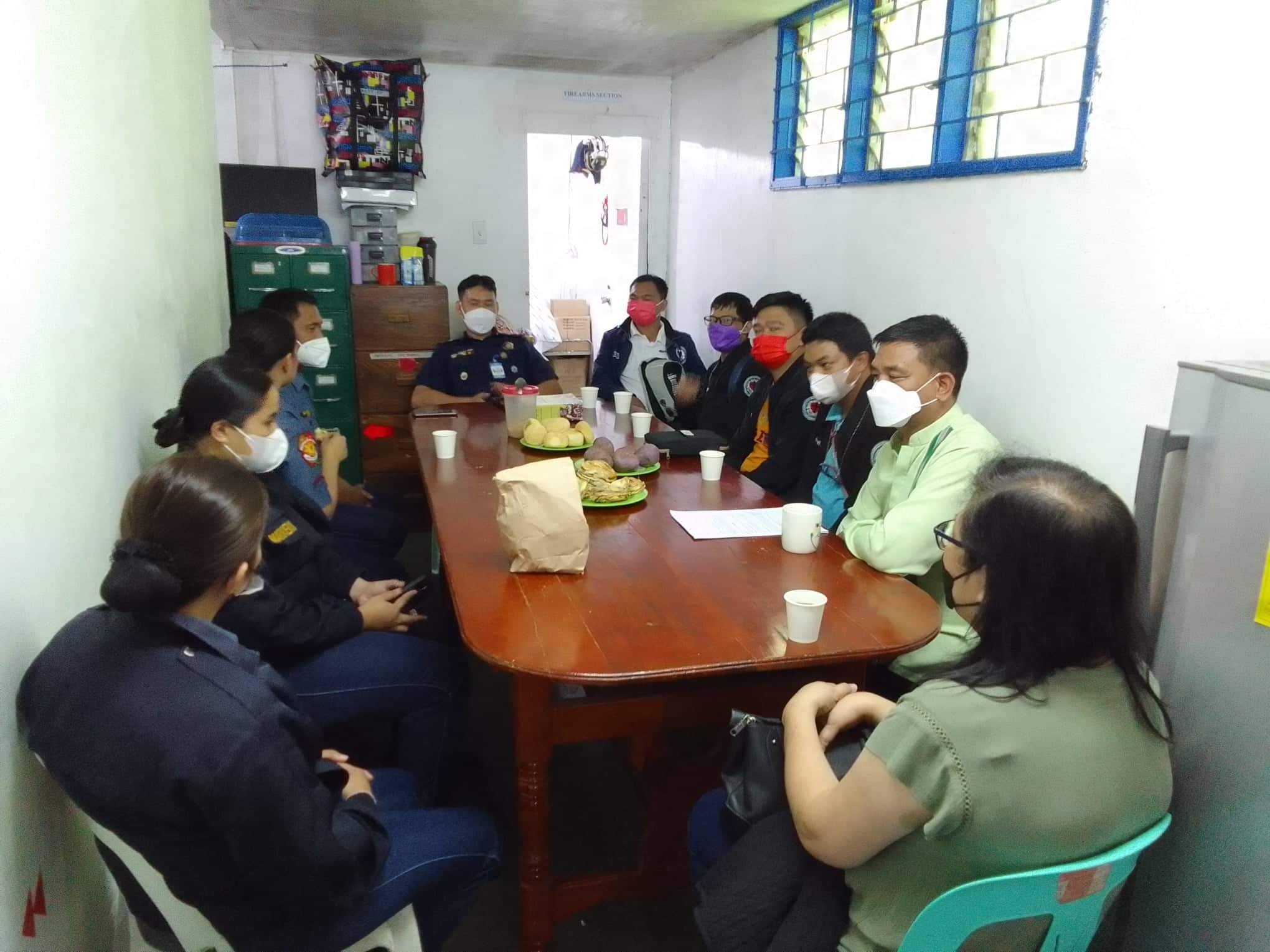
Photos of our two face-to-face groups in Half Unit Intensive.
r online group will hopefully be starting in the not too distant future. More info to follow.
Our mid-June half-unit CPE is underway with 11 trainees divided between two supervisors. These are face-to-face. Another group should be starting up in July that is online.
This August an online CPO group will be held for 9 weeks.
We would also like to note that Dr. Paul Tabon of Global Community is leading a Community Chaplain training course in Baguio. He has 20 trainees in that group.
Two CPE groups, led by Chaplains Vo and Lyn, are finishing their Summer Intensive. This is a full unit completed in about 11 weeks. The planned final evals is June 17.

CPE starts up a week later with two half-unit intensive groups. They will be led by Chaplains Celia and Vo. These will be face-to-face groups. Chaplain Lyn is planning an online CPE groups at this time as well.
Dr. (and Chaplain) Lyn Montecastro led a seminar “Confronting Well” in Angeles City, on May 21, 2022. It is nice to be able to join together for activities like this now!
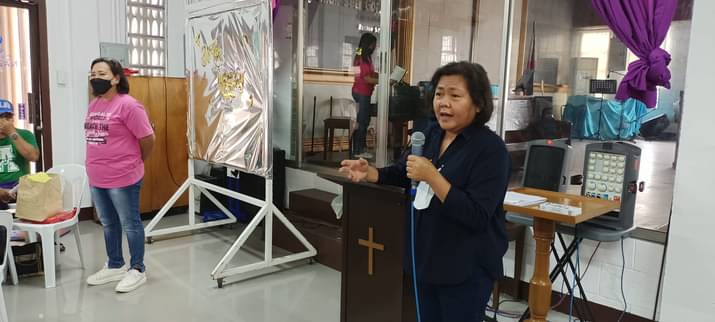


We are busy still with Clinical Pastoral Education. We have kept pretty active with CPE through the pandemic, but the lessening of the stranglehold of the malady has eased some of the challenges of late. Chaplains Vo and Lyn each are leading their groups.
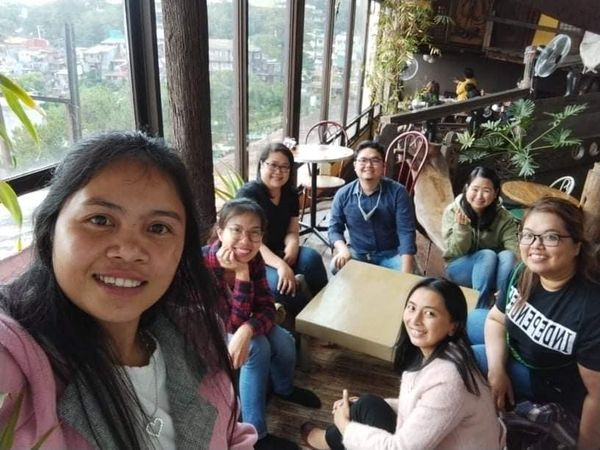
The next CPE group is expected to be a 6-week Half Unit CPE. It is expected to start the 3rd week in June.
Bob and Celia are returning back to Baguio after a year in the US. They are excited to get back to work face-to-face.
Two or three of our staff are hoping to go to Davao in August to meet Drs. Raymond Lawrence and Cal Sodoy for a CPE supervisor training. Dr. Lawrence is the General Secretary and founder of CPSP in the United States.
We are still working on collecting papers for our Bukal Life Journal. Publishing date is To Be Determined.
Bukal Life Care does not claim specialized skill in treating those who are suffering from religious trauma due to spiritual abuse.
However, Dr. Robert Munson, administrator of Bukal Life Care, has put together several presentations that deal with some different aspects of Spiritual Abuse.
If you are interested in looking over some of them, you are welcome to accessing these presentations through his personal website (www.munsonmissions.org). You can click below.
Summer Intensive CPE begins online on April 4. Those who are registered will be given the access. CPE will continue until around the beginning of June.
Many people have felt the need to work overseas. For some it is because of missionary ministry. Others it may be due to immigration, or needing to send money home as an overseas foreign worker (OFW). But what qualities are likely to make one more effective working in a cross-cultural work setting?
Consider the Canadian International Development Agency (CIDA) that did a study as to who is most effective in serving overseas (cross-culturally). The three top things listed in Duane Elmer’s book, CROSS-CULTURAL SERVANTHOOD: SERVING THE WORLD IN CHRISTLIKE HUMILITY (IVP Books, 2006), pages 96-97.
If one looks at these three— the first two are very much tied to Pastoral Care and Counseling. Even the third one could be seen as tied to PC&C when one realizes that it is, in part, based on a grounded understanding of self within the context of one’s limitedness.
Pastoral Care and Counseling (especially in the context of the group process in Clinical Pastoral Education) is focused on developing healthy relationships (with others, with God, and with self).
While there are those who see the goals of PC&C as “soft” or about being “feel good.” But in truth, this is not true. When it came to work for overseas workers, these ‘soft skills’ were more critical to job success than ‘technical skills’— the skills that would be classically put on a resume to show that one can ‘do the job.’ In fact, having these technical skills are considered important— but only 4th on the list.
Why would technical skills be fourth after the other three? Frankly, technical skills are actually the easiest things to train. On the job, the advice “fake it until you make it” can often work when it comes to these job description skills. However, when it comes to relationship skills and sense of self, attempts to “fake it” is unlikely if these skills and self-understanding are in one’s “blind spots.” You can’t fix what you don’t know is broken. And if one knows the problems and chooses to put up a false-front rather than dealing with these issues, this false-front is tiring and often breaks down over time.
Although the CIDA report focuses on overseas work, there seems little reason to think that working within one’s own culture. Patrick Lencione has noted in “The Ideal Team Player” has noted that a member in a working group has three major qualities. One of these is “Great Social Skills.” This is a “soft skill” and the other two are also not hard or technical skills— Humility and Ambition. <Note: Lencione uses the terms “Smart,” “Humble,” and “Hungry” for these qualities.> It is relatively easy to teach a teammember the “hard” skills of a job, but very difficult to teach “soft” skills. This sounds backwards— but the fact that training programs focus on hard or technical skills for jobs not on the other (despite the fact that they are greater indicators of success) should make one suspect which one is easier.
Duane Elmer’s book speaks of the process of learning. That book speaks of three areas of learning within the context of gaining an understanding of a different culture. These are (1) Learning About, (2) Learning From, and (3) Learning With. While this relates to acculturation, one can also look at that in terms of relationship skills and self-understanding. One can learn these by reading up in these topics, and taking evaluative tests and such. However, one must also listen to what others tell us— discovering blind spots. And one learns best interactively— learning in a small, ‘safe’ group.
This is why CPE and other forms of growth groups can be a big help in many areas of life.
 Bukal Life Care