September 2023 Updates

Well, we are in the middle of overlapping CPE groups. We presently have 18 trainees in multiple groups that will be finishing up in November or December.

Our next CPE groups are expected to start in January. Most likely these will be Face-to-face and Full units. It is possible one or more groups will be Extended and perhaps a Half unit will be offered. It really depends on the needs of the trainees and availability of the Supervisors.

Bob and Celia Munson will be in the US for a few months and while there will be teaching a course on “Types of Christian Counseling.”

Also, we are revamping our CPO program. Previously, it was set up to be 100 hours (ministerial and training hours) with the focus of working within a semestral school. While that may remain available, the updated version is more appropriate for the church or community setting. The present plan is:

-Training length 4 weeks

-Total hours 100

-Breakdown of hours Group Training: 36 hours (9 hours per week)

Individual supervision: 3-4 hours

Practical Ministry: Remaining hours

-Cases: 3 per trainee

-Supervision: SIT, or BCACC with supervision

-Structure: Follows the structure of CPE with lecture, practical ministry, individual supervision,

case presentation, and group work relations.

-Purpose: For some, to prepare trainee for CPE. Others, to have skill set for pastoral counseling,

and stress defusing.

-Texts: -“The Art of Pastoral Care” by Robert and Celia Munson

-Modified NOVA crisis defusing

-Handout and Visual presentations as needed.

-Practical Ministry Venues: Depends on the group… could be in church, community, or hospital

August Updates

August 7. CPE Full Unit Extended started on this date, with three separate groups.

August 30. We will be hosting a CPSP-Philippines gathering of Diplomates for evaluating standards and other matters relating to the organization.

August 15. This is the start of the 1st semester at Philippine Baptist Theological Seminary. Three courses being taught that relate to Pastoral Care & Counseling include:

—PC 5. Counseling Theories and Techniques (Taught by Mr. Fritz Melodi)

—PC 2. Christian Spirituality (Taught by Mr. Fritz Melodi)

—PC 6. Theology of Pastoral Counseling (Taught by Dr. Bethel Bumanglag-Webb)

September 4. Two more CPE groups will be staring on this date. They will be Intensive, with both full unit and half unit trainees.

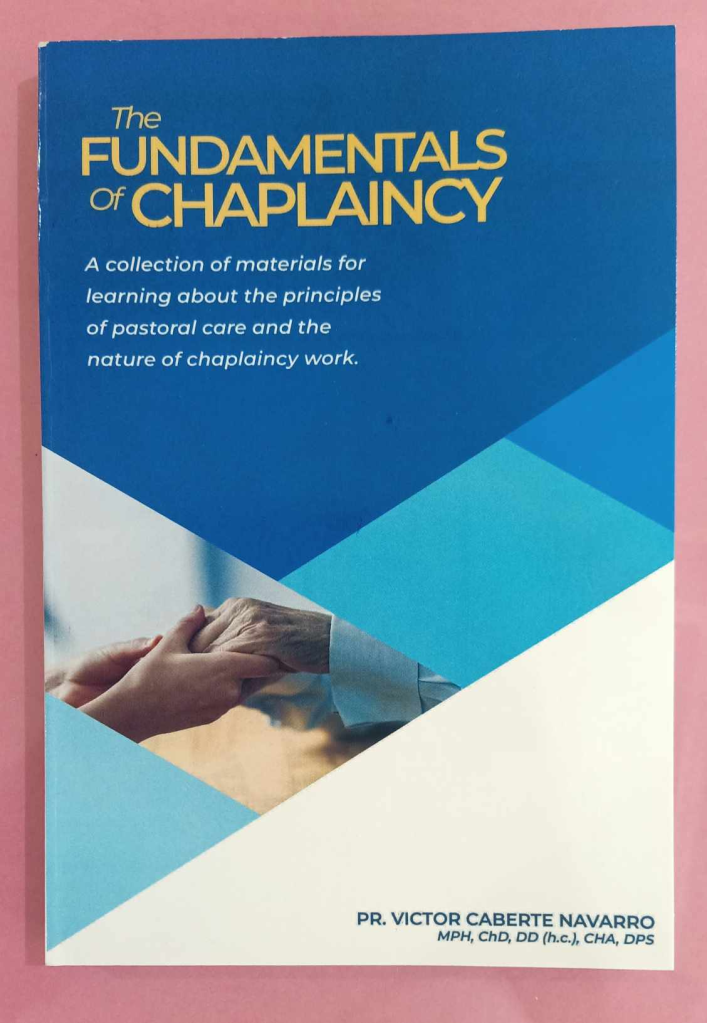
We also want to congratulate Dr. Victor Navarro, a colleague with CPSP-Philippines, who has recently published a book, The Fundamentals of Chaplaincy. We look forward to getting a copy for our center soon. Copies are available by contacting the author at vicnavcpe@gmail.com

Aren’t You the Group that Doesn’t Use the Bible?

The title is a question that our counseling center has been asked more than once. Our answer to that is “No.’ However, a better answer is “No, We definitely use the Bible… when it is appropriate.” Let’s talk about this…

There is a wide spectrum of perspectives with regards to the role of the Bible when it comes to Christian or Pastoral Counseling. At one end, the Bible has more of a symbolic role. It is valued because of what it symbolizes or what it means to the client. In other words, the Bible is valuable based on what people think about it, rather than what it is. We would view this as an inadequate position, while still recognizing that the symbolic value of the Bible should never be ignored.

At the other extreme are those that use the Bible as a counseling book, or even as their ONLY counseling book. For these, the Bible is “sufficient” for all questions relating to pastoral care and counseling. For example, if a person is struggling with moodiness or dysphoria, this sort of counselor is likely to open the Bible and start reading verses that he or she believes gives answers to this issue that will ‘fix things.” A sort of related group is Nuothetic Counseling. They also make strong use of the Bible. However, for them it is more common that problems are seen as springing from behavioral sin. Therefore the Bible is used to identify the sin and to call upon the client to confess, and then repent. So if someone comes who is moody or dysphoric, the goal would be to figure out in what way are they sinful, point to the Bible to where such a sin is identified, and then address the sin. Looking at the Bible as an ethical work or quote book is as inadequate.

Neither of the extremes describe how we use the Bible. The Bible is, first of all, a story book— telling the story of the complex relationship a loving God has for his, often unloving, creation. There is great wisdom, doctrines, ethics, and more in the Bible, but those are secondary to the overall story and theme of the Bible. It is within this story that we find our place and how we are to act. Our story becomes part of the story as well.

Consider the following Biblical passage

Praise be to the God and Father of our Lord Jesus Christ, the Father of compassion and the God of all comfort, who comforts us in all our troubles, so that we can comfort those in any trouble with the comfort we ourselves receive from God. For just as we share abundantly in the sufferings of Christ, so also our comfort abounds through Christ. If we are distressed, it is for your comfort and salvation; if we are comforted, it is for your comfort, which produces in you patient endurance of the same sufferings we suffer. And our hope for you is firm, because we know that just as you share in our sufferings, so also you share in our comfort.

II Corinthians 1:3-7

This is direct guidance in the Bible in how to do an aspect of pastoral care and counseling. The passage states that God comforts us in all of our troubles. That is comforting… it is a good statement of belief. However, it goes on to say that this comfort as we experience it in our lives is to help us to effectively comfort others who are suffering. The passage also goes on to explain that suffering is not always bad… in part because it leads to our recognizing God’s comfort in our lives, but also helps to develop patient endurance.

So what is a “Biblical” use of this particular passage. Most likely it is not simply quoting. . The client most likely is not experiencing that comfort simply by being told this. Quoting that verse does not suddenly give them that comfort, and the passage does not recommend it. It recommends that we share our own story of struggles and how God has proven ultimately faithful in bringing us through them.

Another way of saying it is that the passage suggest a number of things (if we are to break things into steps):

1. Listen and be present with those who are suffering. This seems to be implied in this passage. If you don’t feel so, don’t worry. Other parts of the Bible support this idea in both words and in examples.

2. Be empathetic to the troubles and sufferings of others because we have gone through our own troubles and sufferings.

3. Put ourselves “in their shoes”— in part because we HAVE been in those shoes— thus being slow to judge and slow to speak.

4. Share (cautiously, I think since we are not seeking to trample on their story with our own story) our struggles and how God has helped us through.

Of course, this is far from the full guidance on pastoral care and counseling. This is just one passage on one subtopic of PC&C. Still, proper use of the Bible is more about learning from the Bible and applying it, rather than simply quoting it. Consider Proverbs 15:22 ‘Plans fail for lack of counsel, but with many advisers they succeed.’ Or consider Proverbs 11:14, ‘Where there is no guidance, a people falls, but in an abundance of counselors there is safety.’ What type of counsel are these two passages suggesting. I would argue that certainly the most narrow understanding, quoting Bible verses, is not meant here. After all, if counsel is simply quoting Bible verses, it is hard to see how many advisors would be preferable to one. Presumably, good counsel would be express godly wisdom honed very much through an understanding of God’s will as seen in His Word, and through personal reflection and experience.

Do we use the Bible in our pastoral counseling? Absolutely. Do we fling around Bible verses? No. We use them when they are appropriate, but we are quick to listen, slow to speak (James 1:19-20), trying to treat everyone with gentleness and respect, focusing on what their concerns are (1 Peter 3:15), listening non-judgmentally (Matthew 7:1-3), dealing with each person compassionately (Ephesians 4:32).

Using the Bible is putting it into practice, not simply quoting it.

July 2023 Activities

Presently Half Unit CPE Intensive is ongoing. CPO partnering with Golden Nightingales is just starting. Beyond that here are some other things we are doing this month. Most of these are by request (so they are not really open to the public). If you have questions or requests go to our Contact Us page, or email us at bukallife@gmail.com.

July 2. Online webinar on Servant Leadership

July 4 and 5. Ministers Debriefing and Counseling in Manila.

July 9. Abuse seminar, support group, Baguio City.

July 15. Supervisor Meeting

July 19. Missionary Member Care Webinar

August. End of Half Unit Intensive and start of Full Unit Extended.

Ongoing: Regular ministry work partnering with KABSAT at Baguio General Hospital, and Chaplaincy duties at Saint Louis University Hospital.

CPE Commissioning

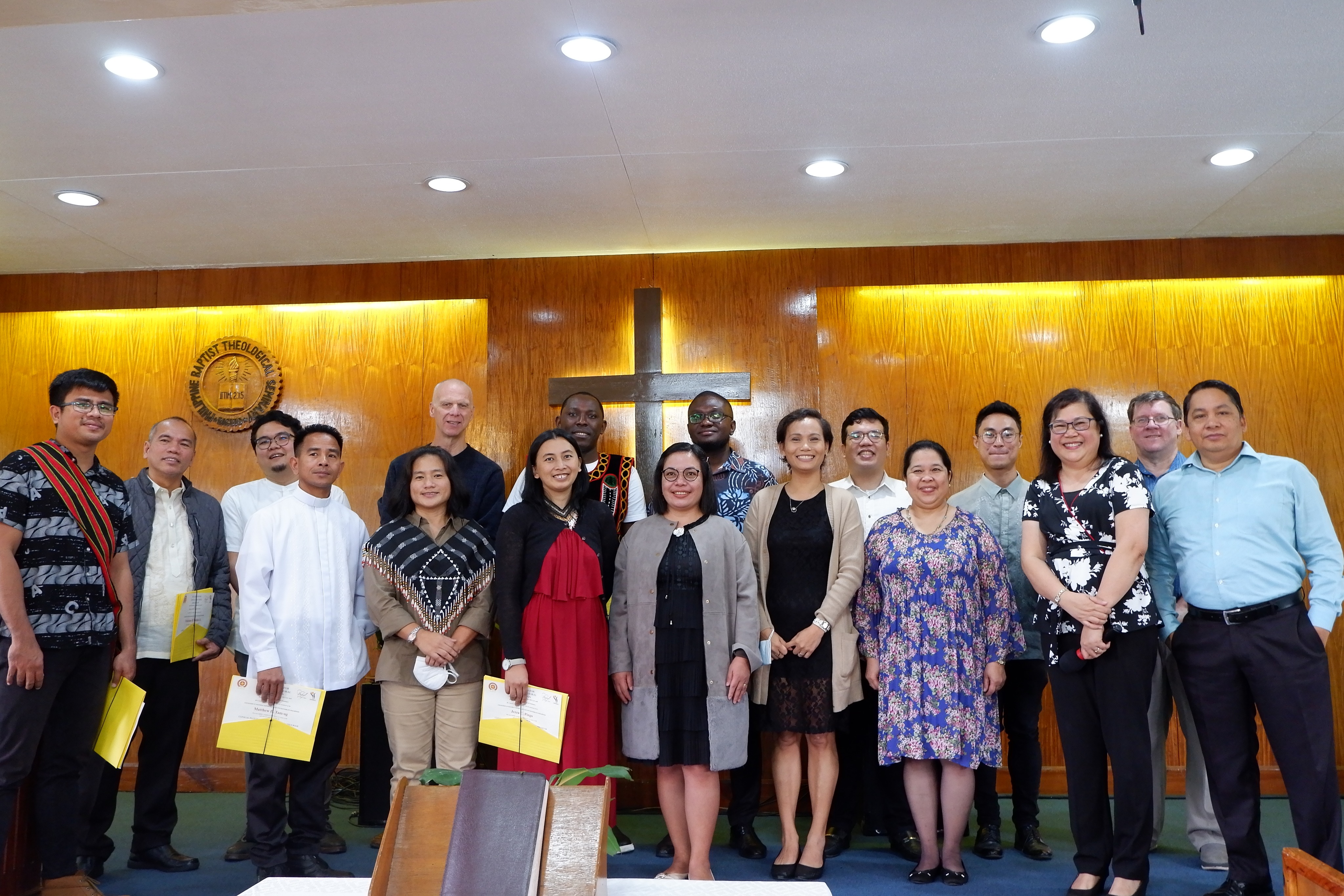
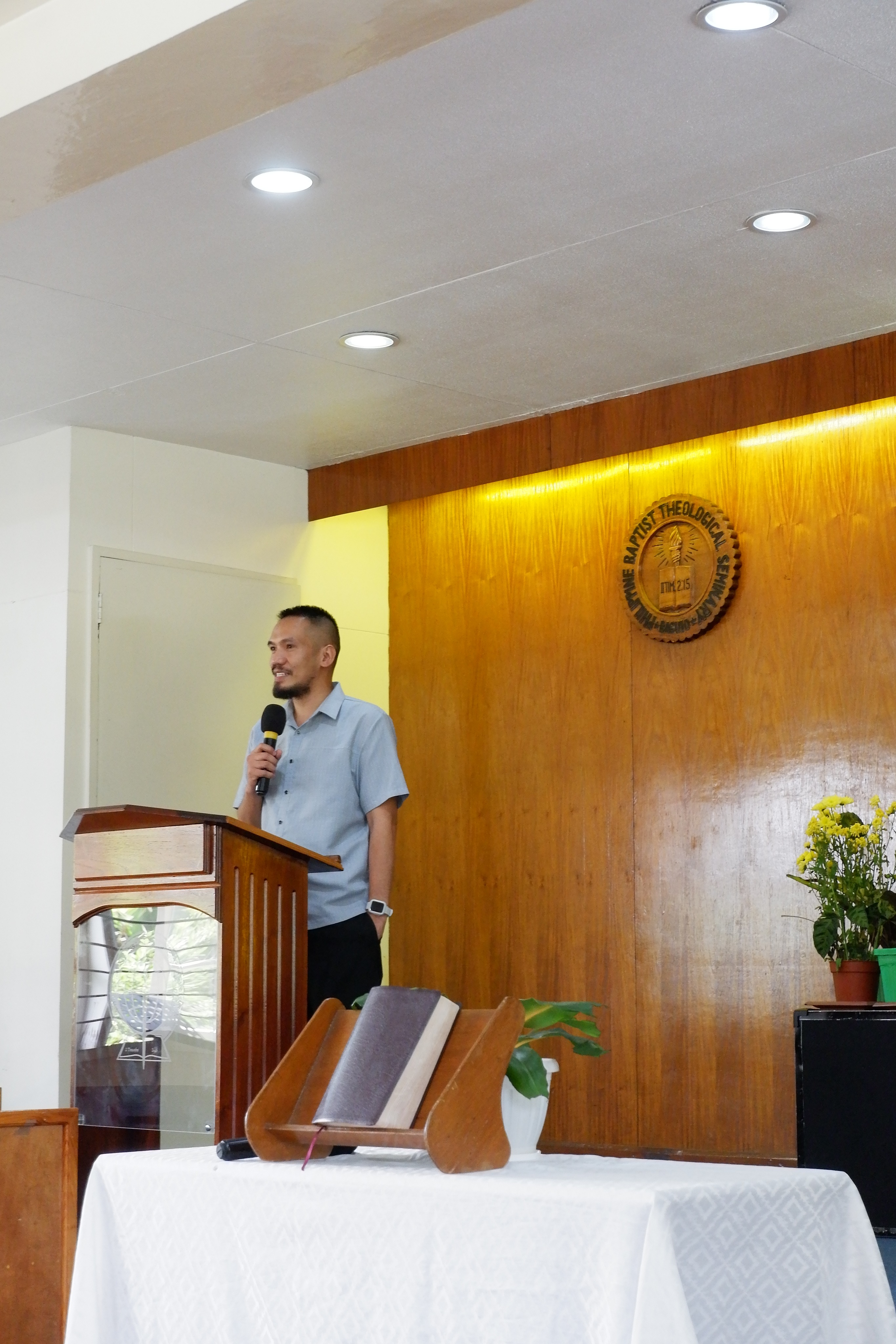
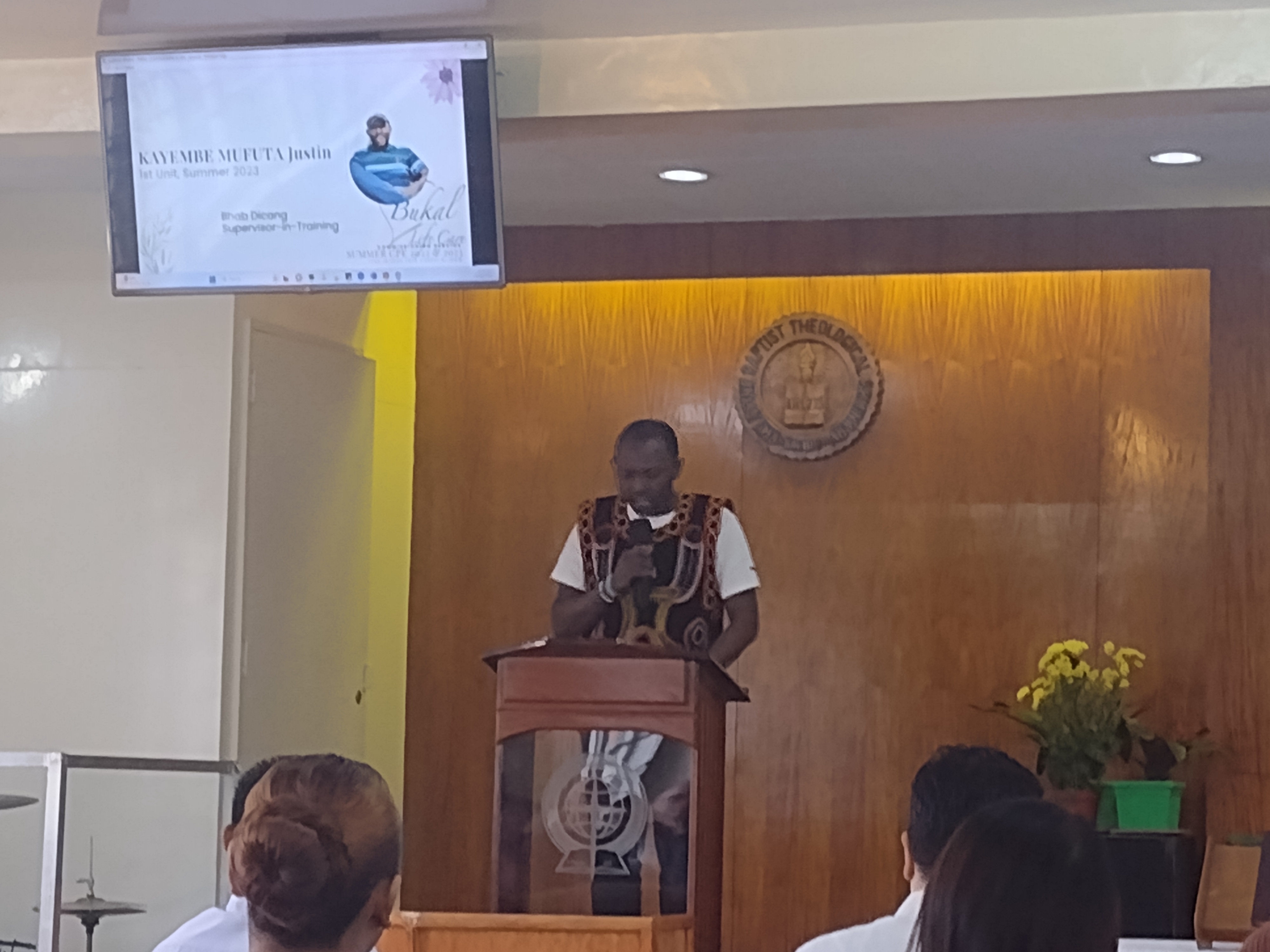
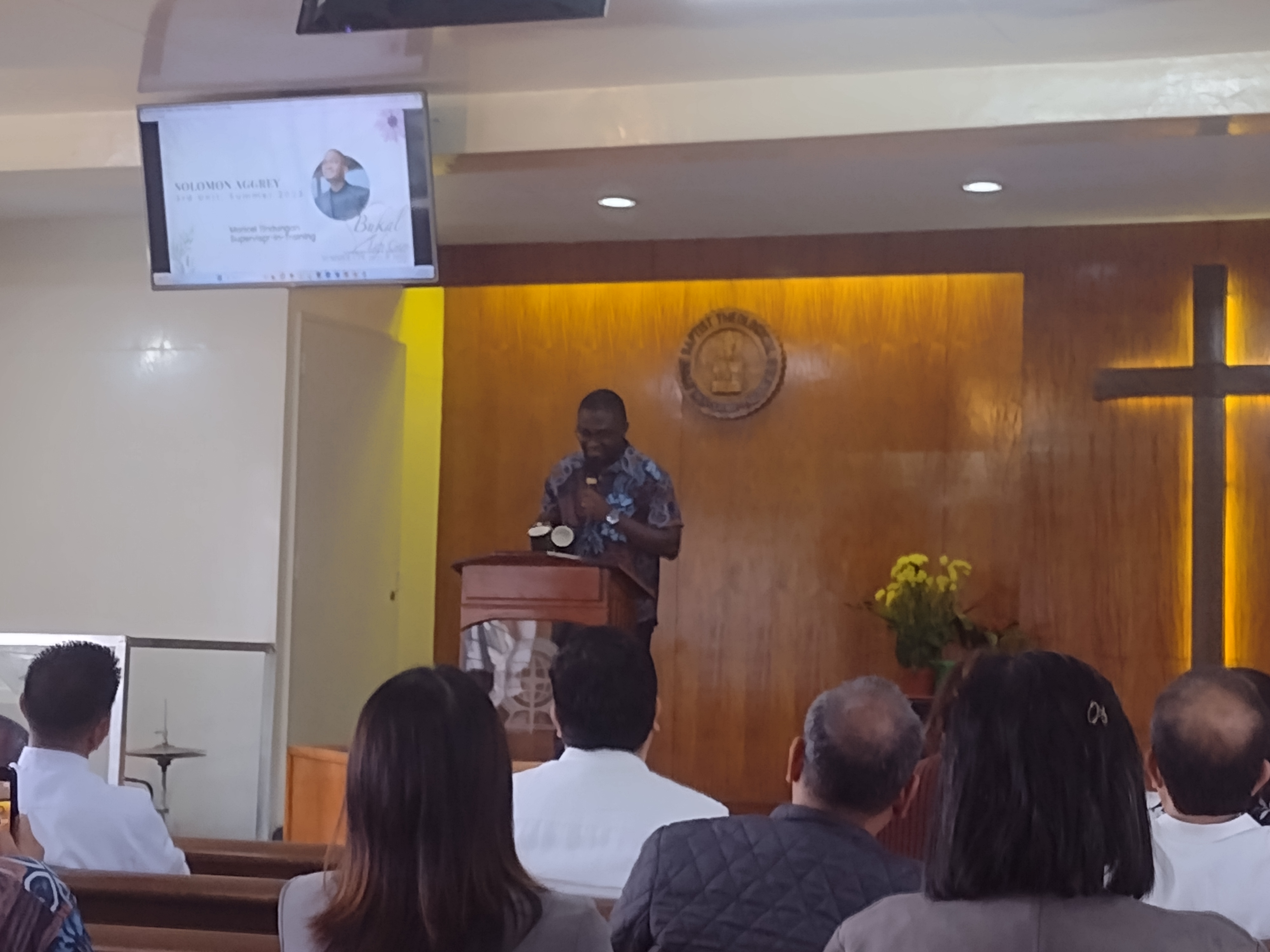
June 15, 2023 we had our Summer Intensive CPE Commissioning Service. Chaplains Crista, Maricel, and Bhab supervised 9 trainees, as SITs, from 5 different countries. Chaplain Vo supervised the SITs. Ptr. Mike Dizon, who has completed 3 units of CPE at Bukal. gave the motivational talk, and Chaplain Celia gave the Commissioning prayer.

Earlier that week, June 12, Chaplain Renato and Dr. Joy Eustaquio visited us at m.n. nChaplain Renato is an SIT from Bukal who established his own chaplaincy center at Dr. Yanga’s Hospital in Because, Bulacan. The brought 3 if their chaplain trainees with them.

Invitation to CPE and CPO Coming in August 2023

We are having three to four groups of Clinical Pastoral Training coming this August.

#1. CPO (Clinical Pastoral Orientation). This is a 100 hour total course involving 15 weeks over 17 calendar weeks. It is designed to give foundational training in clinical pastoral training, to fit into a semestral college course. It will start the week of August 15. The course will probably be done as blended (face-to-face and online). This course can be taken as a credited course with Philippine Baptist Theological Seminary (“CPE-0”). Group meets twice a week for about 1.5 hours each time. Contact us at bukallife@gmail.com or go to www.pbts.net.ph for more information.

#2. CPE (Clinical Pastoral Education) Intensive Full Unit. This is a 400 hour course covering approximately 11-12 weeks. It is starting on the week of August 15 or thereabouts.

#3. CPE (Clinical Pastoral Education) Extended Full Unit. This is a 400 hour course, but extended over a longer period of time… commonly 16-20 weeks. Exact length of time will determined by the group. It will likely start the same time as the others (around the week of August 15).

#4. CPE (Clinical Pastoral Education) Half Unit. This is a 200 hour course equal to 1/2 of a full unit. This one is proposed but will be waiting on interest. It may be done as intensive (6 weeks) or extended (11-12 weeks) depending on the needs of the group. It will also probably start around the week of August 15.

All courses are certified by CPSP-Philippines (www.cpspphilippines.com)

Again, if you have questions, you can email us at bukallife@gmail.com, or go to our contact page by Clicking Here.

If you want to download and fill out an application for CPE or CPO, You can CLICK HERE. Then it to bukallife@gmail.com.

June 2023 Updates

Calendar Updates:

—June 5. Expected Start of Half-Unit Intensive CPE. Six weeks total time.

—June 10. Webinar series on Servant Leadership continues

—June 15. Commissioning for CPE Summer Intensive. To be held at PBTS.

—August 15 (approx.). Beginning of CPE Extended Full Unit.

—August 15 (approx.). Possible start of CPO (Clinical Pastoral Orientation)

Other Updates:

—Our landline number continued to cause problems so we let it go. Our cellphone still works. However, for most situations, it is better to use one of the following:

a. Message us from our FaceBook Bukal Life Care Page.

b. Use the Contact Form from our website (www.bukallifecare.org)

c. Email us at bukallife@gmail.com

—Online CPE. Dr. Lyn Montecastro just completed supervising a CPE last month and is looking to start an online CPE group. Contact us (see the note above) if you have questions.

—CPSP-Philippines Plenary gathering. Hoping we will be hosting this event in October. Hopefully we will have more information next month.